
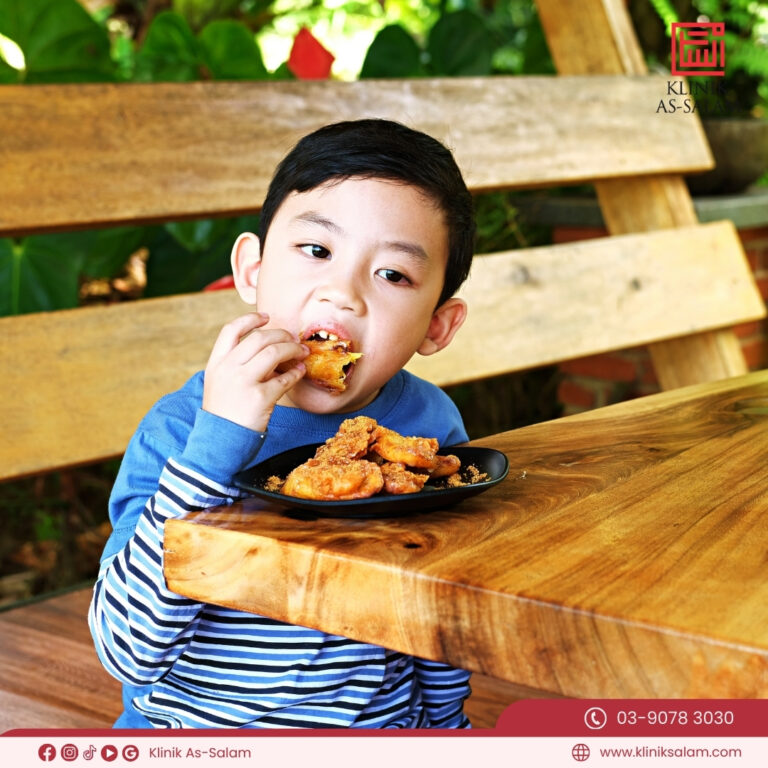
Sometimes, parents may not know much about the dietary restrictions after their child’s circumcision, believing that the wound will then be slow to heal. However, most of the restrictions people follow are actually myths passed down through generations, not medical facts.
So, here are some myths that are often believed after a child’s circumcision:
1. “You can’t eat eggs, or the wound will become itchy”
Eggs don’t cause itchiness and don’t slow down healing. In fact, eggs contain protein that helps speed up the recovery of the circumcision wound.
2. “Fish causes the wound to fester or ‘weep'”
Fish such as salmon, mackerel, or Spanish mackerel are rich in Omega-3, which helps reduce inflammation and speed up healing. The fish to avoid are those that aren’t fresh and those that trigger allergies.
3. “Seafood can make the wound worse”
Not all seafood needs to be avoided. Some children may be allergic to prawns, squid, and crab, but if there’s no allergy, seafood won’t make the wound worse.
4. “You can’t eat soy sauce, or it will leave a dark scar.”
An old myth not supported by research. Dark scars actually don’t come from soy sauce, but from skin genetics, excessive inflammation, wound infection, and scratching or friction.
So, What Are the Best Foods During Circumcision Recovery?
To heal quickly, focus on foods that are:
- High in protein (Chicken, Fish)
- High in vitamin C (Oranges, Broccoli)
- Anti-inflammatory (Avocado, Green Vegetables)
Most food restrictions after circumcision are actually myths passed down through generations. The most important things are:
- Keep the wound clean
- Follow the doctor’s care instructions
- Provide nutritious food
- Avoid foods your child is allergic to
For more information:
03-9078 3030 | 012-414 0969
www.kliniksalam.com
